Relocating to a new home represents a significant life transition that requires meticulous planning to avoid unnecessary stress. Without a structured moving checklist, the process often becomes a chaotic scramble of lost boxes and missed deadlines.
This guide provides a professional roadmap and a complete moving checklist to guide you through every stage of your upcoming relocation.
Before Moving: Planning and Preparation Checklist
The most successful moves begin at least eight weeks before the actual date. This initial phase focuses on establishing the foundation of your relocation and minimizing the physical volume of items you need to transport.
1. Create a Moving Timeline and Budget
Begin by confirming your moving date and creating a rigid timeline that fits into your overall moving checklist.
You must estimate all costs early, including professional movers, packing supplies, security deposits, and a small fund for unexpected expenses. Decide whether you will handle the move yourself or hire professional services by comparing the labor costs against truck rental fees and fuel. Building a realistic week-by-week moving checklist ensures you are not overwhelmed in the final forty-eight hours.
2. Declutter and Sort Your Belongings
Relocating is the perfect opportunity to audit your lifestyle.
Sort every item in your home into categories: keep, donate, sell, or discard. This process simplifies packing and directly impacts the size of your moving packing list, making the entire relocation more efficient. Room-by-room organization allows you to see exactly what you own and helps determine the number of boxes required for the moving packing list.
3. Gather Packing Supplies and Start Packing
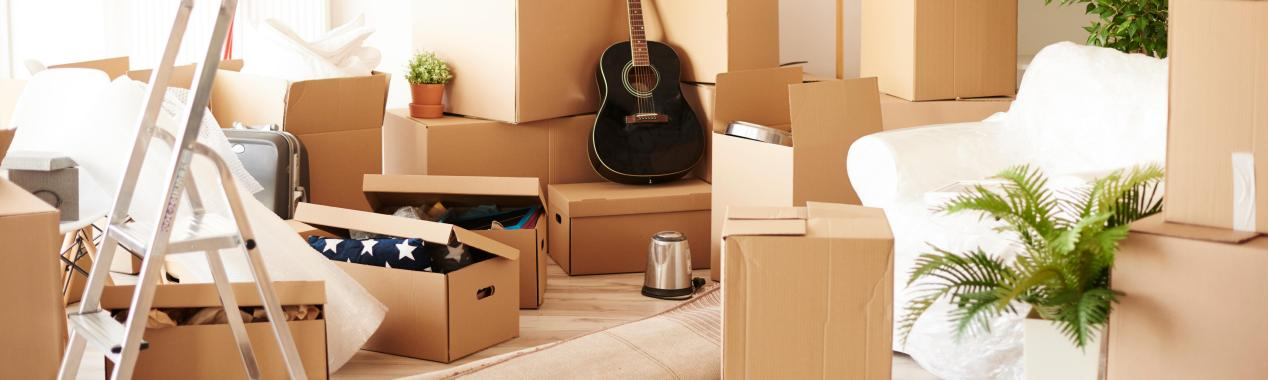
Secure high-quality packing materials such as heavy-duty boxes, packing tape, bubble wrap, and permanent markers.
Start packing non-essential items like seasonal clothing, books, and decorative pieces first. Label every box clearly by room and priority level to keep your moving packing list accurate and easy to follow. For fragile or valuable items, use double-walled boxes and plenty of cushioning to prevent damage during transit.
4. Notify Services and Update Your Address
Updating your address is a critical but often underestimated part of any checklist for moving.
Notify the postal service, banks, insurance providers, healthcare offices, and your employer. Schedule the disconnection of utilities at your current residence and the installation at your new home for the day before you arrive. It is also vital to cancel or transfer local services like gym memberships, lawn care, or local subscriptions.
5. Prepare for Moving Day
Set aside a suitcase with essentials for the final few days, including toiletries, a change of clothes, and chargers.
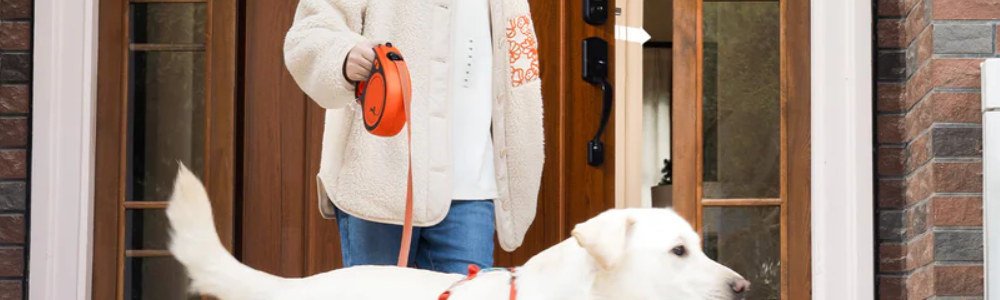
If you have children or pets, prepare them for the transition by arranging childcare or a pet sitter for moving day.
Back up all important digital files and keep physical documents like birth certificates and passports in a secure, portable folder.
Finally, reconfirm logistics with your movers or rental company and review your moving to do list to ensure nothing is missed before the big day.
During Moving Day: Execution Checklist
When the actual moving day arrives, the focus shifts to clear communication and physical oversight to ensure the plan is executed without error.
1. Final Checks Before Leaving Your Old Home
Perform a final walkthrough of every room, cabinet, and storage area to ensure nothing is left behind. Take photos of the empty rooms and utility meters for documentation or rental handover requirements. Ensure all water valves and gas lines are turned off and that all windows and doors are locked securely.
2. Coordinate the Moving Process
Maintain clear communication with the movers throughout the day. Track the loading of boxes and large furniture to ensure everything is accounted for. Keep fragile and high-value items separate from the main load if you prefer to transport them personally. Most importantly, keep your essential documents and personal electronics with you rather than on the moving truck.
3. Keep Essentials Easily Accessible
Prepare a personal bag containing identification, medications, and basic tools like a utility knife for opening boxes. Having snacks and water readily available will help you manage stress and maintain energy levels as you stick to your moving to do list.

After Moving: Settling In and Securing Your New Home
The final phase involves making the new space functional and safe so that you can begin your new chapter with confidence.
1. Upgrade Home Security After Moving
Upgrading your door hardware should be a top post-move priority for every new resident. Relying on old keys or unknown duplicates left by previous owners or contractors poses a significant security risk.
Integrating a smart solution like the DESLOC B200 Smart Lock provides immediate peace of mind:
- Seamless Keyless Entry: During the busy unpacking phase, searching for physical keys is a major inconvenience. The B200 offers six unlocking methods, including a fingerprint sensor that identifies your print in 0.3 seconds.
- Flexible Access Management: You can store multiple unique fingerprints and passcodes. This feature is invaluable when you need to grant temporary access to movers, cleaners, or interior designers without handing out spare keys that could be lost or copied.
- Rapid DIY Installation: The move-in period is already labor-intensive, so the B200 is designed for easy installation with just a screwdriver. It fits most standard US Borehole doors (not compatible with non-chiseled doors, mortise doors, integrated locksets, or rim cylinders) and replaces your existing deadbolt in minutes, meaning you can secure your home on the very first night.
By eliminating the vulnerability of old keys, this smart lock allows you to focus on settling in while maintaining absolute control over who enters your new living environment.
2. Inspect Your New Home Immediately
Upon arrival, check all utilities, lighting, plumbing, and major appliances to ensure they are working correctly. Inspect all entry points, including windows and secondary doors, for any signs of damage or maintenance issues. Your priority should be establishing the safety and basic functionality of the kitchen and bathrooms.
3. Unpack Strategically and Organize Efficiently
Avoid the temptation to open every box at once. Start with essential rooms like the bedroom and kitchen to ensure you can sleep and eat comfortably. Use your box labels to streamline the process and move items directly to their intended rooms. Break down boxes as you go to reduce clutter and set up long-term storage systems in closets or garages early to prevent mess from accumulating.
4. Update Local Records and Build New Routines
Confirm that all address updates were successfully processed by checking your mail and online accounts. Register with local service providers and learn the community rules regarding waste collection, parking, and neighborhood associations. Establishing these routines quickly will help you feel like a permanent part of your new community.
Conclusion
Relocating does not have to be an overwhelming experience if you approach it with a structured moving checklist.
By prioritizing tasks such as decluttering, labeling, and upgrading your home security with the DESLOC B200 Smart Lock, you transform the process from a burden into an organized transition. Following these steps ensures that your new house quickly becomes the secure and comfortable home you deserve.