Across the world, more women are choosing to live alone, valuing independence and the freedom to shape their lives on their own terms. However, this freedom comes with unique security concerns that deserve serious attention.
The threat of intruders is real and often underestimated. For all women living alone, safeguarding your home against intruders’ threats is not only about force but also about strategy, which allows you to outsmart intruders. This guide shares practical, clever, and empowering tips for living alone as a female.
So how to live alone as a woman safely? Here are 10 top ways women living alone can outsmart intruders.
#1: Upgrade to Smart Entry Solutions
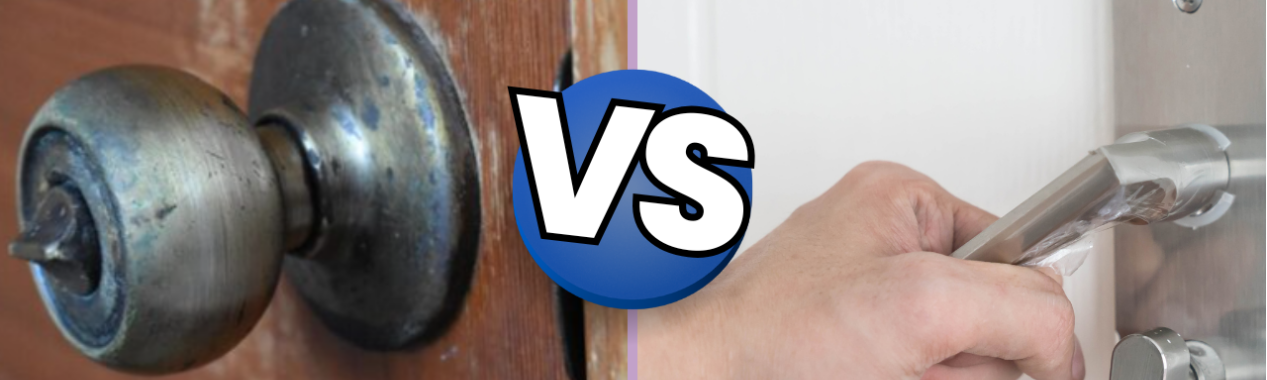
Traditional locks are outdated and no longer provide the level of security modern living requires. Many can be forced open quickly, and if you give spare keys to someone else, it can further increase risk. For women living alone, these weaknesses of traditional locks create unnecessary security problems.
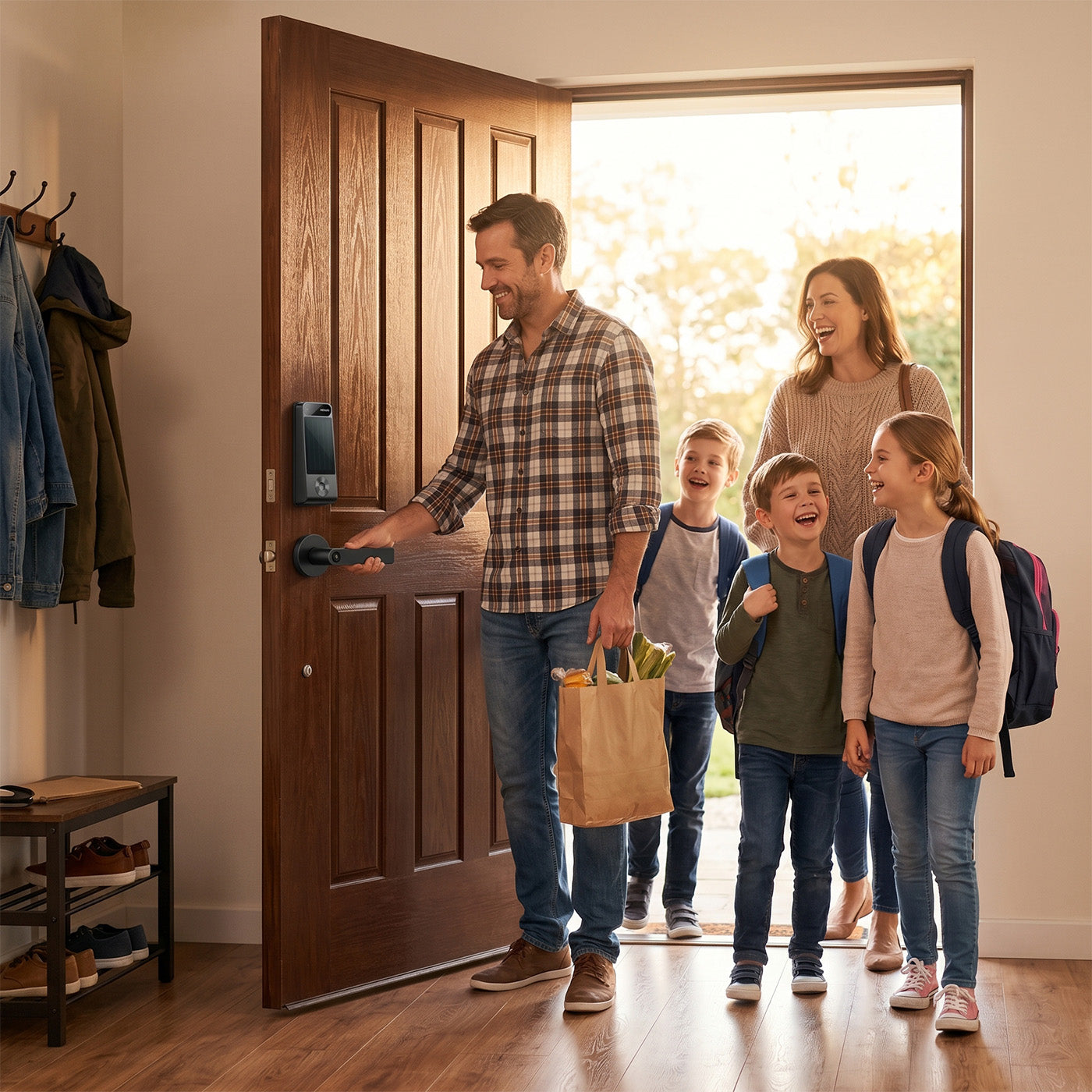
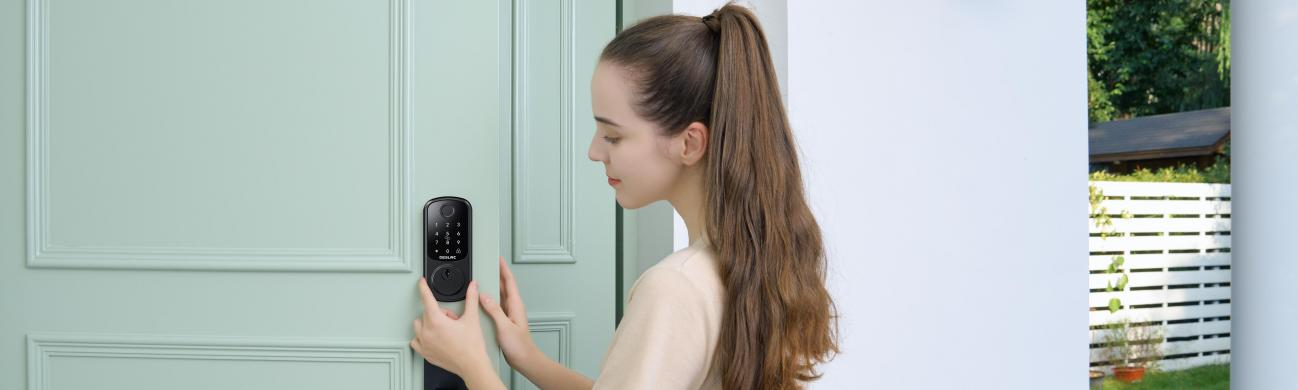
Smart door locks address these gaps with advanced features such as fingerprint access, multi-factor entry, and secure digital passcodes. They also allow remote monitoring so you can check the status of your door from anywhere, while instant alerts notify you of suspicious activity in real time.
Temporary digital codes can be shared with trusted visitors and revoked instantly, removing the risks tied to spare keys. Apart from convenience, smart locks deliver peace of mind by giving you complete control over the security of your house.
#2: Layered Security at the Door
One of the most important safety tips for women is to protect the entrance of the house with more than one layer of security. A door chain combined with a peephole, or the addition of a smart video doorbell, creates visible and practical barriers that make intrusion much more difficult. Each added barrier increases resistance and sends a clear message that your home is not an easy target.
The psychology behind these tricks is simple. Intruders usually go for quick and simple opportunities. When they are confronted with multiple barriers, the risk of being noticed or caught rises sharply, which often discourages them from attempting entry at all.
#3: Lighting Tricks
Lighting the house is one of the simplest and most effective ways to discourage intruders. Timers or smart plugs can switch lights on and off at intervals, creating the impression that someone is moving around inside. A well-lit home feels unpredictable and is far less appealing to an intruder who is usually searching for empty houses.
Pairing lighting with sound makes the effect even stronger. A radio playing softly or a television set turned on at certain times reinforces the sense of activity inside and can be enough to deter an intruder.
#4: Keep Outsiders Guessing About Your Routine
Predictable routines make it easier for outsiders to know when a home is likely to be empty. Leaving and returning at the same times each day creates patterns that are easy to notice, and that predictability can give intruders a clue about when the home can be an easy target.
For women living alone, breaking those patterns adds a valuable layer of security. Vary your commute when possible, change the times you go shopping, attend appointments, or handle daily tasks, and avoid falling into rigid schedules. Even small adjustments help, such as using a family surname on deliveries, which creates the impression that multiple people live in the home.
#5: Practice Social Media Silence
Social media can unintentionally give intruders the information they need. Posting in real time about where you are or how long you will be away clearly signals that your home is empty. A single photo or status update during a trip or a night out can provide the confirmation an outsider is looking for.
The safer habit is to share social media habits only after you return. Posting photos, updates, or stories later still allows you to connect with friends and family, but without risking the safety of your house.

#6: Neighbours as Silent Allies
Having reliable neighbours can make a big difference in home safety. Even making a minimal connection with them can provide valuable protection against possible intrusion. A simple step, such as exchanging emergency numbers or agreeing to notify each other if something unusual happens, can provide quick support when needed. Intruders generally avoid communities where people look out for each other.
#7: Defensive Interior Design
The way you arrange your home has a direct impact on safety. Keeping escape routes clear, such as hallways, doors, and windows, allows you to move quickly if you ever need to leave in an emergency.
For women living alone, it is also important to keep small defensive tools within reach. A flashlight by the bed, pepper spray near the entrance, or a personal alarm close at hand can provide immediate options if you face any threat.
#8: Play the Numbers Game
Intruders often look for homes where only a single resident appears to live. You can reduce that risk by using small but effective signals that suggest the presence of more than one resident. For example, leaving an extra pair of shoes outside the door or labelling the mailbox with more than one name creates uncertainty and discourages outsiders from assuming the home is occupied by a single person.
#9: Verify Before Trusting Strangers
Before you open the door to any stranger, take a moment to confirm who they are. Intruders can pose as delivery drivers, utility workers, or maintenance staff to gain easy access, and trusting them without verification creates unnecessary risk.
The safest step is to call the company directly on its official number, rather than relying on details given by the visitor. A genuine employee will not object to the extra caution, but someone with bad intentions is much likely to run away once questioned.
#10: Build a Rapid-Response Plan
Preparation is the key to responding effectively in an emergency. Put together an independent living emergency kit that includes essential contacts, trusted friends who know agreed code words, and quick-dial access to police or security apps on your phone. Having everything ready in one place prevents confusion and saves time when it matters most.
For a single woman’s safety, a plan is only useful when it is practiced. Running through different scenarios builds confidence and muscle memory, allowing you to react instinctively rather than freeze under pressure. Even short rehearsals can sharpen decision-making and reduce hesitation.
Conclusion
Living alone as a woman comes with its unique challenges, but as we’ve explored throughout this article, there are numerous smart, practical, and empowering strategies you can use to enhance your safety and peace of mind.
Integrating technology into your security plan can significantly strengthen these efforts. A product like the DESLOC B200 Smart Lock aligns perfectly with this proactive approach. It offers multiple secure entry methods; including fingerprint recognition, PIN codes, physical keys, app control, eKeys, and IC cards—so you never have to rely on a single point of failure. With optional remote access via the G2 Gateway (separately sold), you can monitor and control your door from anywhere, adding an extra layer of vigilance whether you’re at home or away.
For women living alone, the DESLOC B200 Smart Lock provides confidence that their home is secured with advanced and dependable technology.