
Making your home more eco-friendly does not always require big investments or major renovations. Small and thoughtful upgrades can reduce waste, cut utility expenses, and enhance overall home comfort. Simple changes such as improving energy efficiency, conserving water, or reducing household chemicals can have lasting benefits. This article highlights top eco-friendly home improvements that you can start implementing in your house today.
Approachable Improvements
Here are the best eco-friendly home improvement ideas that can help you live a sustainable life:
1. Smart Locks
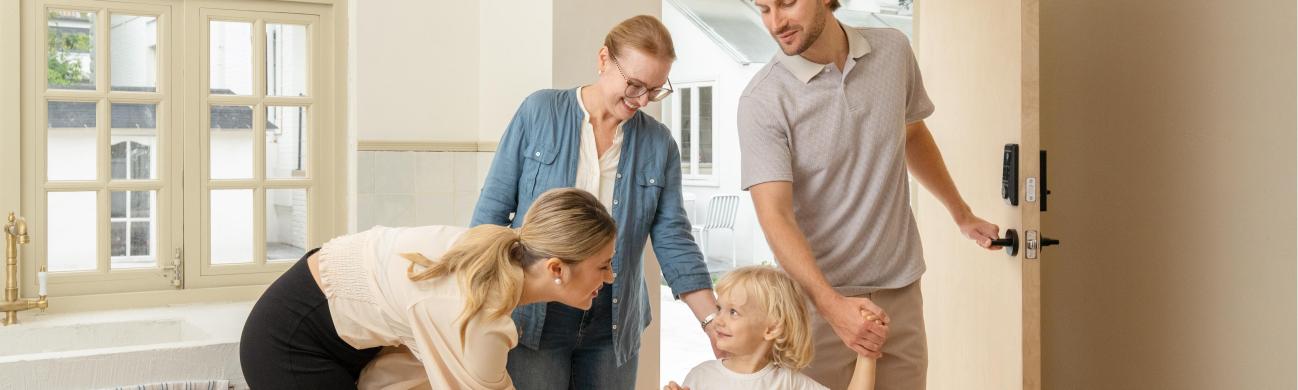
Using traditional locks can be both inconvenient and wasteful, as replacing or duplicating lost keys not only adds expense but also contributes to excess metal waste. Upgrading to a smart door lock like the DESLOC D110 Plus eliminates these hassles while adding convenience and sustainability to your home. Certified with ClimatePartner, it supports eco-friendly living and offers features such as built-in Wi-Fi, the visible display, and fast fingerprint recognition.
The DESLOC D110 Plus Smart Lock also provides customizable access control to assign permissions, track entry history, and receive alerts. Enhanced features include auto-lock scheduling, night mode, anti-peeping PIN entry, and an emergency alarm. It is easy to install on standard doors with just a screwdriver, making it both practical and user-friendly.

2. Rain Barrels
A rain barrel is an easy yet highly effective upgrade for managing household water use. It provides a free supply for outdoor needs such as watering plants, rinsing tools, or cleaning patios. Over time, it will help you save a noticeable amount of money on utility bills.
Beyond cost benefits, rain barrels contribute to healthier soil in gardens by supplying natural, chemical-free hydration. Some models are designed to connect multiple barrels together, creating larger storage systems for households with greater outdoor needs.
This straightforward addition combines environmental responsibility with everyday practicality, turning rainfall into a valuable resource that benefits both the home and the surrounding community.
3. Smart Lights
Lighting is a significant contributor to household electricity use, and outdated bulbs waste more energy than most people realize. Smart LED lighting reduces energy consumption dramatically. They can be controlled with timers, voice assistants, or motion sensors, which ensures lights are on only when they are needed. Adjustable brightness allows you to match the lighting to your activities, reducing eye strain while using less power. If you cannot replace all the house lighting at once, swapping out a few frequently used fixtures can quickly help you bring your bills down and make your living environment more comfortable.
4. Indoor Plants
Indoor plants contribute to healthier living spaces. They can improve air quality, help manage humidity, and make rooms feel fresher. Low-maintenance varieties such as snake plants, peace lilies, and spider plants work well in most homes. Beyond their environmental benefits, plants also provide a simple and natural way to enhance comfort without relying on artificial products.
Different plants thrive in different conditions, which means there are suitable options for both bright and shaded rooms. Grouping several small plants together can create a stronger impact on indoor air. Indoor plants can also refresh your mood and help you focus better in day-to-day operations.
5. Composting Systems
Composting is one of the most practical ways to cut down household waste while creating a valuable resource for the garden. By turning food scraps, coffee grounds, and yard clippings into nutrient-rich compost, you produce a natural fertilizer that improves soil quality and supports healthier plants. At the same time, this process keeps biodegradable waste out of landfills.
Modern composting systems are designed for convenience and can fit a wide range of living spaces. Compact countertop units are suitable for apartments, while larger outdoor bins can manage garden debris in bigger spaces. Many compost bins are built with odor-control features and easy-access lids, making daily use simple and clean. Some advanced models include tumbling mechanisms that speed up decomposition and reduce the need for frequent maintenance.
Tips for Getting Started
While implementing the eco-friendly home improvement tips, here are the steps you need to follow:
1. One Improvement at a Time
Making several changes at once can feel overwhelming and may cause you to stop before results appear. A more effective approach is to focus on one small improvement and add others gradually. For example, you might begin with a smart lock and later install a rain barrel once the first upgrade becomes part of your routine. This method gives your household time to adjust to the new environment and prevents unnecessary stress. It also allows you to notice the direct benefits of each change, which will help you appreciate every single step you take.
2. Look for Rebates or Incentives
Many eco-friendly home improvements qualify for financial support through government or utility company programs. Rebates often cover part of the cost of items like smart lighting, rain barrels, or compost bins. Taking time to research incentives before making a purchase can make improvements far more affordable. Some stores highlight which products qualify for the incentives. Applying for rebates usually requires only simple paperwork.
3. Maintain Eco-friendly Habits
Apart from eco-friendly home improvements, maintain consistent habits that support a sustainable lifestyle. This way, you can live a life that is aligned with green and eco-friendly principles. Turning off lights when leaving a room and line-drying clothes whenever possible make a measurable difference. Reducing single-use plastics, carrying reusable shopping bags, and planning meals to avoid food waste are equally powerful. Building such habits also has a ripple effect, often encouraging family members and even guests to adopt similar practices, which extends the positive impact beyond your own home.
Conclusion
Meaningful, eco-friendly home improvements do not always require major investments. Simple upgrades like installing a DESLOC smart lock, rain barrels, and composting systems can reduce waste, lower bills, and improve daily comfort. When paired with sustainable habits, these choices turn a home into a healthier, more efficient place to live.