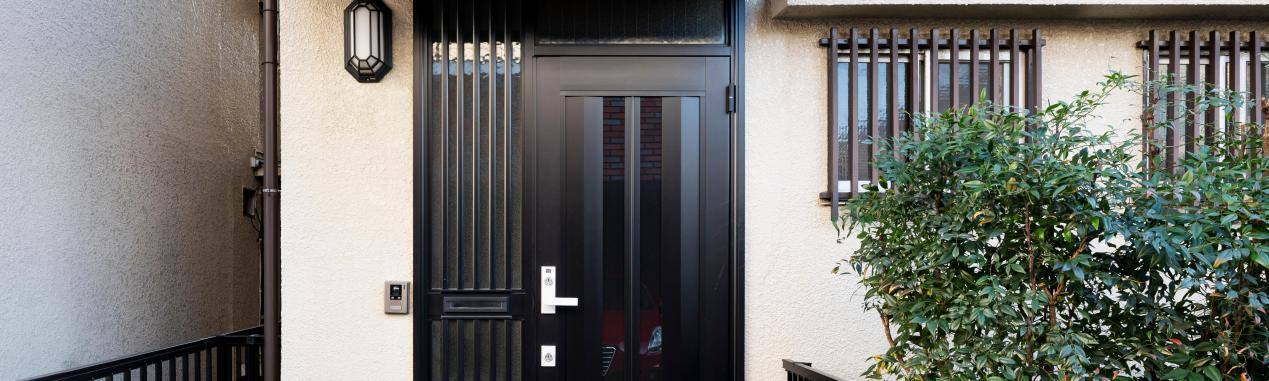
Winter storms can turn a welcoming front door into one of the most vulnerable points of a home. Strong winds, freezing temperatures, and heavy snow test every weak spot, making preparation essential.
A secure entryway helps keep cold air out, protects your property, and gives you confidence during harsh weather.
This guide walks you through practical steps to strengthen your front door before the next storm arrives, ensuring safety, warmth, and dependable protection throughout the season.
Understand the Threats Winter Storms Pose
Winter storms can stress a front door in several ways, and knowing these risks helps you prepare more effectively.
- Strong winds can push against the door and strain the hinges, especially when the frame is already worn.
- Ice may form around hinges or locks, creating stiffness and potential mechanical failure.
- Sudden temperature drops can weaken low-quality materials and reduce their durability.
- Moisture can also seep into the frame, leading to swelling, warping, or gradual structural damage.
Reinforce the Door Structure and Frame
A strong front door begins with reliable materials. Steel, fiberglass, or a solid wood core can handle winter stress better than lightweight alternatives. These options resist temperature swings and maintain their shape when exposed to moisture and cold air.
Reinforcement also plays an important role. A hinge reinforcement plate or a steel security bar adds stability and helps the door stay firmly in place during high winds.
Smaller adjustments matter as well. Tightening or replacing loose hinges, screws, and bolts restores structural strength and improves overall performance.
The strike plate deserves special attention. Using longer screws allows it to anchor deeper into the door frame, giving the entire locking area greater resistance against force and winter pressure.

Strengthen Door Locks and Hardware
Winter storms often interfere with lock performance. Snow or freezing rain can cause frozen keyholes, making the key difficult or impossible to turn. Ice buildup may jam moving parts, and cold temperatures drain standard batteries quickly — electronic locks may die when you need them most.
Upgrading to more reliable hardware greatly reduces these risks. Alongside reinforced deadbolts and stainless-steel strike plates, one strong candidate is the DESLOC B200 Smart Lock. It offers a set of winter-friendly features:
- Long battery life. It runs on four AA batteries and can last up to 12 months under normal use, with a built-in low-battery indicator.
- Cold-weather performance. The lock is rated to operate in a wide temperature range from–22 °F to 158 °F (–30 °C to 70 °C), making it suitable even when freezing weather hits.
- Multiple unlocking methods. Users can unlock with fingerprint, PIN code, physical keys, or phone App— so if keyholes freeze, fingerprint or app access can still work.
- Fast and responsive fingerprint unlocking. Fingerprint unlock occurs in under 0.3 seconds, helping you get inside quickly when conditions outside are harsh.
Choosing high-quality hardware such as the DESLOC B200, along with stainless strike plates and rust-resistant hinges, ensures your front door locking system remains functional and secure even during winter storms.
Seal Gaps and Improve Weatherproofing
Good weatherproofing helps your front door stay protective during winter storms.
Start by replacing any damaged weatherstripping to restore a tight seal along the edges. A door sweep blocks drafts and prevents snow from slipping under the door. Silicone caulk can fill small cracks around the frame, reducing cold air leaks. For older wooden doors, adding insulation film or a thin foam board provides extra warmth and helps the door stay stable in freezing conditions.
Install a Storm Door for Extra Protection
A storm door adds an extra layer of insulation and helps shield your main door from strong winds and flying debris during winter storms. Tempered or laminated glass improves safety, reducing the risk of shattering when hit by ice or branches. When choosing a storm door, look for reinforced frames that hold steady in heavy gusts, strong latches that keep the door secure, and low-E glass that supports better energy efficiency throughout the cold season.
Use Threshold Barriers and Sandbags to Prevent Water Intrusion
Threshold barriers and sandbags are useful when storms bring heavy snow or fast-melting ice. They are especially helpful for homes with ground-level entry points or drainage issues, where water tends to collect near the door. Sandbags or rubber flood barriers can be placed along the threshold to block slush, melted snow, and wind-driven rain, reducing the chance of moisture seeping indoors and damaging flooring or the door frame.
Improve Lighting and Visibility Around the Entry
Good lighting enhances safety when winter storms reduce visibility. LED floodlights designed to operate in freezing temperatures provide reliable illumination, even in harsh conditions. Motion-activated fixtures are especially helpful, turning on automatically when someone approaches the entry. This makes it easier for residents to navigate icy steps and improves overall security by keeping the area bright and monitored during severe weather.
Maintain Regular Snow and Ice Removal
Consistent snow and ice removal helps keep your front door functional during winter storms.
Clearing buildup prevents ice from sealing the door shut or putting stress on hinges and hardware. De-icer can be applied to steps and pathways, but choose a formula that will not damage metal surfaces or nearby materials. Keeping the area around the entry clear also ensures safe movement and maintains an accessible emergency exit when conditions worsen.
Prepare a Winter Storm Emergency Plan
A simple emergency plan helps you stay ready when severe weather hits.
Keep essentials near the front door, such as a battery power bank, de-icer spray, and spare batteries for smart locks. These items allow you to act quickly if ice forms or power outages occur. It is also helpful to identify backup entrances in case the front door becomes blocked. Make sure all family members understand basic safety steps so everyone can respond confidently during a winter storm.
Conclusion
Preparing your front door for winter storms is an essential step toward protecting your home. A combination of structural reinforcement, proper insulation, and dependable smart technology creates a stronger barrier against harsh weather.
Cold-resistant smart locks such as DESLOC maintain reliable performance when traditional locks struggle in freezing conditions, adding an important layer of security. Taking action early ensures that your entryway stays safe, warm, and resilient, giving you greater peace of mind throughout the winter season.