Protecting your guests and property is the single greatest responsibility any hotel owner faces. As global travel continues to rebound and guest expectations rise, the security challenges you face in 2026 are complex and constantly shifting. A five-star review today means nothing if a safety failure happens tomorrow.
This article presents 10 crucial hotel safety tips designed to elevate your security protocols, minimize liability, and safeguard your operation.
10 Essential Hotel Safety Tips
Tip 1: Conduct Regular Safety Audits and Risk Assessments
A strong hotel safety culture begins with consistent evaluation.
Every area of the hotel, including guest rooms, kitchens, corridors, and administrative offices, should be reviewed for potential hazards. Regular inspections help uncover issues that might go unnoticed during daily operations, such as faulty wiring, blocked exits, or outdated fire equipment.
Keeping checklists current and involving department heads in each review ensures accountability and accuracy. When management actively participates in safety assessments, potential risks can be corrected quickly, creating a safer environment for guests and staff alike.
Tip 2: Train Staff for Emergency Response and Crisis Management
A well-prepared team is your hotel's first line of defense during a crisis. It is essential to ensure all staff members are fully trained in emergency procedures. Every employee must know fire escape routes, comprehensive evacuation protocols, and fundamental first aid techniques.
Implement mandatory emergency drills at least twice a year to practice these hotel safety tips under realistic conditions. Training should emphasize calm communication and decisive leadership to minimize panic and ensure the safety of guests and colleagues.
Tip 3: Upgrade to Smart Locks for Better Guest and Property Security
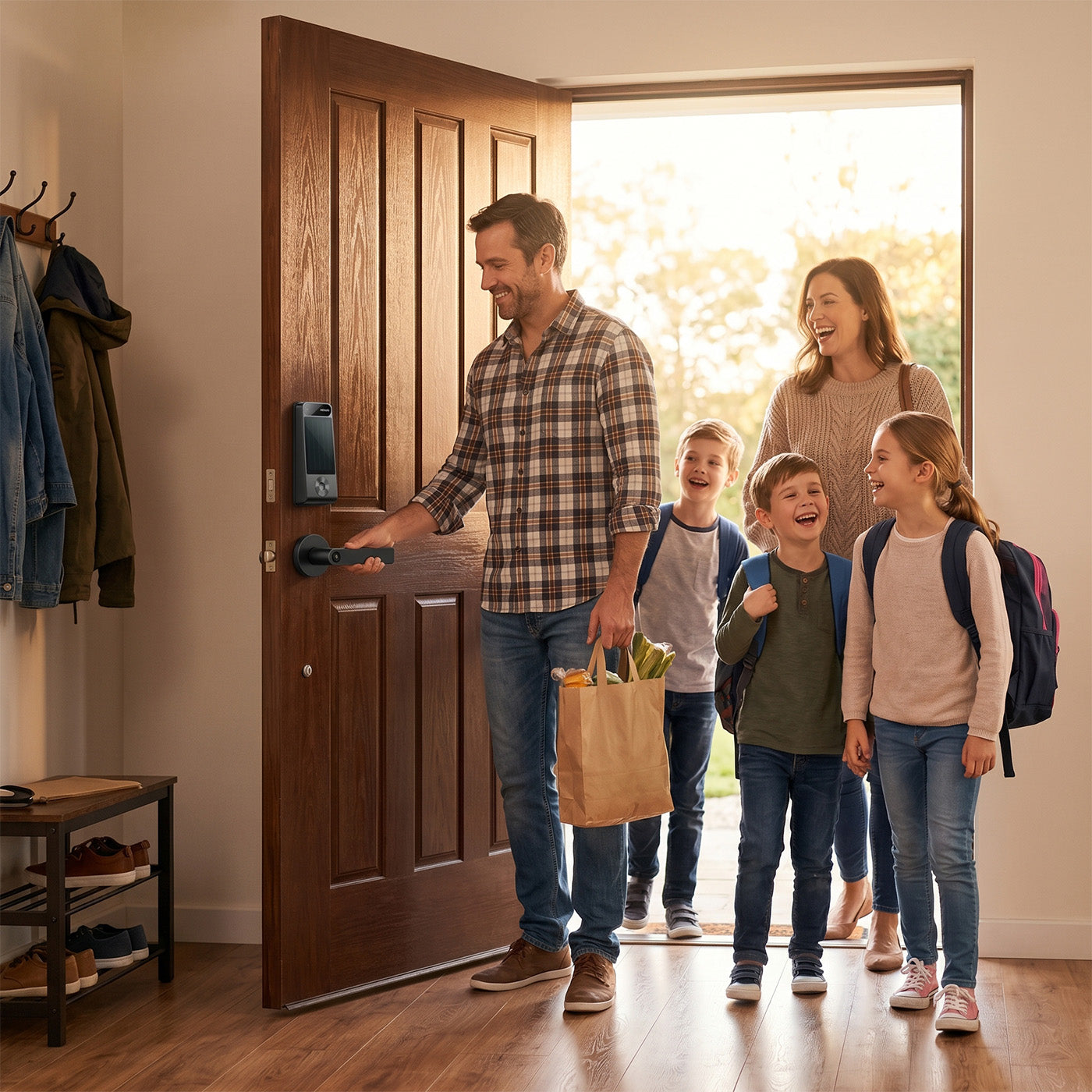
Security begins at the doorway. Hotel owners should replace traditional, vulnerable keycard systems with modern smart locks to enhance property security.
For example, advanced systems like the DESLOC D110 Plus Smart Lock provide clear operational and security advantages:
- Built-in WiFi and Remote Control: Lock, unlock, and monitor access from anywhere using a smartphone, with no external gateway or hub required.
- Real-time Access Monitoring and Audit Trails: The system records every entry attempt, creating a crucial security log for immediate incident review.
- Multiple Convenient Entry Methods: Offers six-in-one unlocking via fingerprint, PIN code, app, IC card, and physical keys to suit all guest preferences.
- Visible Display: A built-in screen shows battery levels, system settings, and lock status for quick reference without needing the mobile application.
Applying this kind of modern security solution is one of the most effective hotel safety tips, as it gives guests peace of mind while helping staff how to secure a hotel door efficiently.

Tip 4: Improve Fire Safety and Install Smart Detection Systems
Fire safety is non-negotiable, requiring modern technology and strict compliance.
Equip all floors with smoke detectors, fire extinguishers, and sprinkler systems that meet the latest safety codes. Regularly check alarms and replace outdated components immediately. For maximum protection, install smart fire detection systems. These advanced units do not just sound a local alarm; they send real-time alerts directly to staff smartphones or a central control room.
Tip 5: Implement 24/7 Surveillance and Access Control Systems
You need eyes everywhere, around the clock. Install high-definition CCTV cameras to cover every entrance, hallway, and parking area on your property. This continuous coverage is your primary tool for deterring and recording incidents.
Go further: integrate your video system with motion detection or AI-based recognition for faster, more accurate threat identification. Surveillance data should be stored securely and remain accessible for at least 30 days. Combining this step with other hotel safety tips creates a solid defense layer for guests, employees, and property.
Tip 6: Strengthen Cybersecurity for Guest Data Protection
Your hotel’s digital infrastructure is another vital part of hotel safety tips. Protect your Wi-Fi networks and payment systems with strong, up-to-date encryption. Change passwords for administrative accounts regularly and make sure they are not shared unnecessarily.
Train your staff to spot phishing attempts, suspicious emails, or signs of a data breach. Keeping guest information secure goes hand in hand with physical safety; when digital systems are protected, your guests can trust that their personal data and payment details are in good hands.
Tip 7: Maintain Proper Lighting Inside and Outside the Hotel
Check every area where guests and staff walk, from hallways and staircases to entrances and parking lots. Make sure these spaces are bright enough to prevent trips, falls, or other accidents. Good lighting also discourages theft and makes guests feel more secure. Using energy-efficient LED lights along with motion sensors can lower electricity costs while keeping your hotel safe and welcoming at all times.
Tip 8: Establish Clear Guest Policies and Communication Protocols
Make safety information easy for every guest to understand. Explain key policies during check-in and include clear instructions in guest rooms or digital guides. Let guests know exactly who to contact in case of an emergency or if they notice something unusual.
When your communication is clear and consistent, guests feel more confident following procedures and are more likely to cooperate during unexpected situations. Clear policies not only build trust but also show that their safety is your top priority.
Tip 9: Secure Storage and Restricted Access Areas
Walk through your hotel’s back areas and check who can enter them. Storage rooms, housekeeping closets, and maintenance zones should never be open to everyone. Set up smart access cards or PIN codes so only authorized staff can get in. Keep an eye on entry records to see who accessed each area and when.
These small controls help prevent internal theft, protect equipment, and reduce the chance of workplace accidents. A well-managed access system keeps both your staff and assets safe.
Tip 10: Partner with Local Authorities and Build a Safety Network
Build relationships with the people who can help you most when emergencies happen. Connect with local fire departments, hospitals, and security professionals to stay informed about safety standards and response procedures. Join local safety programs or hotel associations to exchange knowledge and strengthen coordination.
When you already have trusted contacts in place, help arrives faster, decisions are clearer, and your team can focus on keeping guests safe while support comes from every direction.
Conclusion
Hotel safety is an ongoing commitment that shapes your guests’trust and your hotel’s reputation. With the right strategies and reliable technology, you can create a space that feels secure and welcoming every day.
To explore advanced access solutions that enhance both security and convenience, visit our official website and find the ideal smart lock system for your hotel!