Door hardware, such as handles, locks, and hinges, naturally wears out over time. Daily use, moisture, and temperature changes slowly wear them down, leading to loose handles or stiff locks. Replacing door hardware not only restores smooth door movement but also improves home security. It is a simple way to give your doors a refreshed and reliable look while keeping your home safe and functional.
Common Signs Your Door Hardware Needs Replacement
Here are some common signs that suggest it's time to replace door hardware:
Handles wobbling or slipping
A handle that moves loosely or feels unstable often signals internal wear. Over time, screws can loosen, and the connecting parts inside the mechanism may begin to strip or misalign. This not only makes the handle uncomfortable to use but can also lead to the latch failing to retract properly. In some cases, the handle may even detach completely, leaving the door difficult to open or close.
Lock difficulty
If your lock becomes difficult to turn, sticks, or if you find yourself losing keys often, it is a clear sign that the lock needs replacing.
This is especially true for front doors, where frequent use speeds up wear. Knowing when to start replacing front door hardware can prevent lockouts and improve overall home safety.
Hinges squeaking or doors sagging
Continuous squeaking or creaking sounds indicate friction between hinge joints, often caused by worn-out pins or a lack of lubrication. In the worst cases, a door may begin to sag, putting pressure on the frame and latch. A sagging door not only looks uneven but also leads to improper sealing and difficulty locking.
Rust, corrosion, or visible damage
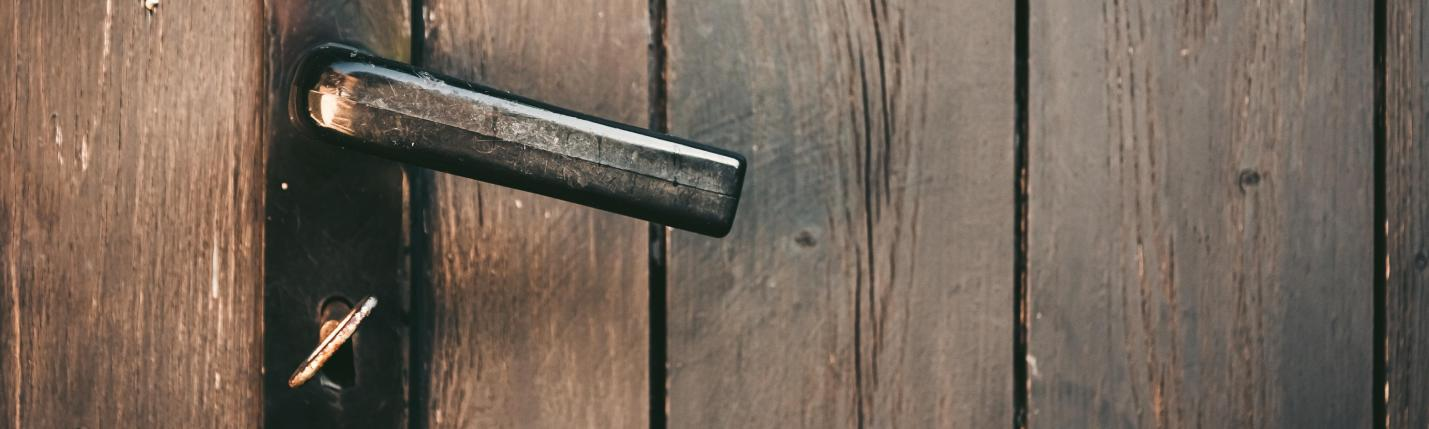
Rust and corrosion are serious issues that affect the strength of your door hardware. These signs of damage can weaken the parts, leading to a complete failure if not replaced. Visible cracks or chips also suggest it is time for a new handle, lock, or hinge.
Outdated design affecting usability or style
Hardware that feels outdated can limit convenience and style. Older handles and locks may not align with modern safety standards or interior design preferences. If your hardware looks worn or clashes with your home’s decor, replacing door hardware is the way to go.
Different Types of Door Hardware and DIY Replacement Tips
Below are the different types of door hardware and DIY tips to replace old door hardware properly.
If you have ever wondered how to replace front door hardware without hiring a professional, these simple steps make the process easy and manageable. For homeowners looking to change door hardware on their main entryway, choosing a secure, weather-resistant lock system is essential.
Handles/Knobs: Step-by-step removal and installation
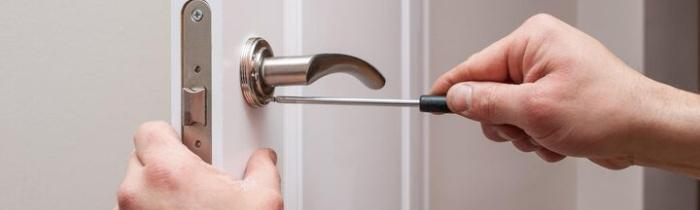
To replace a handle or knob, begin by removing the screws that hold the existing hardware in place.
Once the screws are loosened, gently pull off the handle and remove any faceplates. Next, take out the latch mechanism. Position the new handle and latch in place, ensuring they align with the screw holes.
Secure the handle with screws, tightening them carefully to avoid damaging the door. Once installed, test the handle to ensure it turns smoothly and the latch operates properly.
Locks: How to replace latch, deadbolt, or complete lockset
Replacing a lock involves removing the old latch, deadbolt, or complete lockset. Start by unscrewing and removing the old lock components. Once the hardware is removed, insert the new latch, and make sure that the beveled edge faces the direction the door closes. For deadbolts, align the bolt with the corresponding hole in the door frame. After positioning everything correctly, screw the new hardware into place and tighten the screws.

Upgrade to Smart Lock
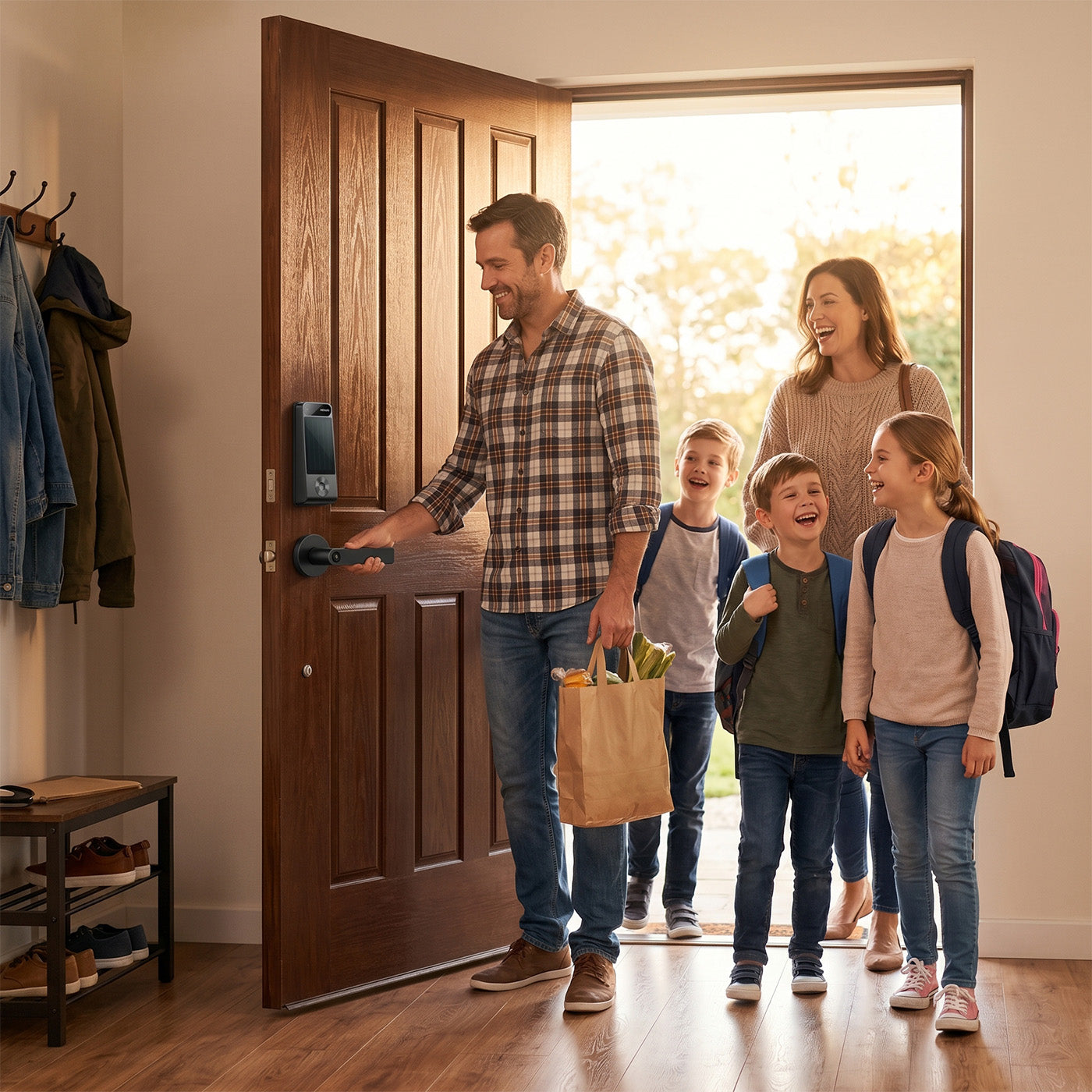
Replacing an old lock gives you a chance to add stronger protection and modern convenience. The DESLOC B200 Smart Lock is built for homeowners who want a practical security upgrade without complicated installation. It fits most standard doors and can be set up quickly using basic tools.
The lock is designed to fit standard door sizes, so you won’t need to drill new holes or make major adjustments. Most homeowners can complete the installation in under 15 minutes with a regular screwdriver.
Once installed, you can quickly set up access options like fingerprints, PIN codes, or mobile app control.
Hinges: Removing and installing properly to avoid sagging
If your door is sagging or its hinges are no longer functioning well, replacing them is a simple fix. Start by removing the screws from the old hinges on both the door and the door frame. Align the new hinges with the same screw holes and carefully position them.
Tighten the screws, but be cautious not to overtighten, as this could damage the door or frame. Properly installed hinges will keep the door aligned and prevent sagging.
Door Stops and Other Accessories: Quick tips
Replacing door stops is an easy way to protect your walls and furniture. Simply remove the old door stop and install a new one using screws or adhesive. For added convenience, consider replacing or upgrading other accessories such as door knockers, peepholes, or security chains.
These small additions can enhance the functionality and aesthetic of your doors, while also boosting security around the home. Replacing these accessories is quick, affordable, and can make a significant difference to the overall appearance and usability of your doors.
Maintenance Tips for Long-Term Performance
While replacing door hardware is important, it is equally advisable to maintain that hardware properly for the best results. Here are some simple but highly effective maintenance tips in this regard:
Regularly check screws and hinges
To keep your door hardware in good condition, it is essential to check the screws and hinges periodically. Over time, screws loosen, resulting in a wobbly door and an unstable handle.
Tighten any loose screws to ensure the hardware remains secure. Additionally, inspect the hinges for signs of wear or rust. Lubricating them occasionally will help maintain smooth operation and prevent squeaking or stiffness.
Clean hardware gently, and avoid corrosion
Regular cleaning helps maintain the appearance and function of your door hardware. Use a soft cloth to wipe down the handles, locks, and hinges, avoiding harsh chemicals that could cause corrosion or damage the finish.
For metal components, apply a gentle cleaner designed for that material to prevent buildup. By taking care of the hardware, you reduce the risk of rust and extend its lifespan.
Smart lock battery replacement and sensor cleaning
For smart locks, it is important to replace the batteries on a regular schedule to ensure they function properly. Most smart locks will alert you when the battery is running low, but it is still a good idea to replace them before they drain completely.
Additionally, clean the fingerprint sensor or keypad with a soft cloth to ensure accurate readings and fast access. Keeping your smart lock’s sensors clean and its batteries fresh will guarantee smooth operation and enhanced security.
Wrapping-Up
Recognizing worn door hardware early keeps your home safe, functional, and secure. A little attention to loose handles, rusty locks, or squeaky hinges can prevent bigger issues later. The good news is that replacing these parts is well within reach for any homeowner.
For those ready to move beyond traditional locks, upgrading to a DESLOC Smart Lock adds both convenience and peace of mind. It combines modern design with advanced technology, giving your door a fresh look while improving everyday security.