Bringing a pet into your life changes everything, turning a simple house into a vibrant, living home. However, our living spaces are often designed for human comfort alone, overlooking the unique needs of our four-legged companions.
This guide will discuss practical tips to transform your living space into a haven that nurtures both your pets’ happiness and your peace of mind.
Understanding What Makes a Home Truly Pet-Friendly
To understand how to create a pet-friendly home, one must look beyond toys and accessories. A functional pet-friendly environment is rooted in behavioral science and functional design. Pets, like humans, have a hierarchy of needs that include safety, comfort, and the ability to navigate their territory without stress.
Key Principles of Pet-Centric Design:
- Safety First: Removing toxic plants, securing loose wires, and ensuring all exits are fortified against accidental escapes.
- Freedom of Movement: Designing layouts that allow pets to move naturally without bumping into fragile decor or getting trapped in tight corners.
- Durability and Maintenance: Choosing surfaces that can withstand claws, muddy paws, and the occasional accident without requiring expensive repairs.
The needs also vary by species. A cat-friendly home focuses on vertical space and climbing opportunities, while a dog-friendly home prioritizes floor grip and easy access to the outdoors. Regardless of the species, access control remains the most vital element of a pet proof home.
Pet-Safe Entryways and Smart Access Management
The entryway is the most critical threshold in any home with animals. It is the danger zone where pets are most likely to slip out or where high-traffic wear and tear is most visible.
Common Entryway Challenges:
- The "Bolt" Factor: High-energy pets often try to dash through the door the moment it opens.
- Physical Damage: Pets waiting by the door often scratch at the wood or metal, ruining the finish.
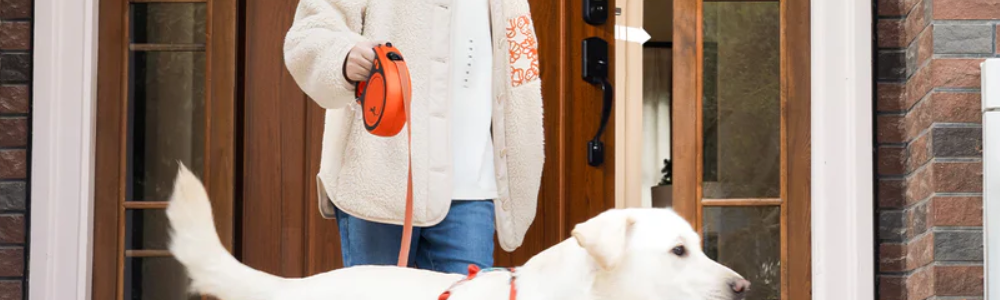
- Management Stress: Trying to find keys while holding a heavy leash and a dog eager for a walk is a recipe for frustration.
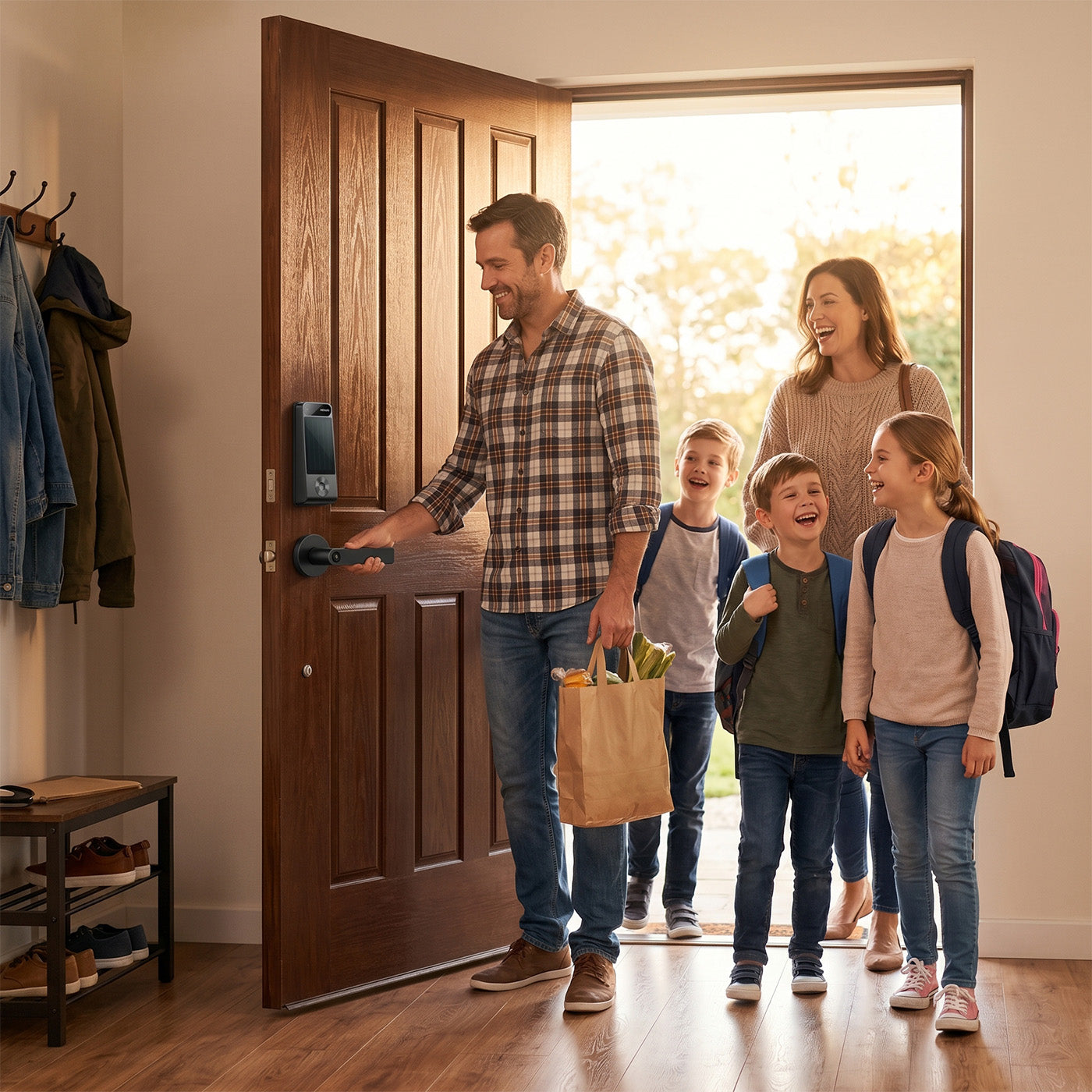
To solve these issues, we recommend the DESLOC B200 Smart Lock:
- Biometric fingerprint recognizes in about 0.3 seconds, so you can open the door quickly when handling pets, leashes, or treats without fumbling for keys.
- Multiple unlocking options (fingerprint, PIN code, app, eKeys, IC cards, or physical keys) add flexibility for all family members handling pets.
- Optional remote control via a G2 gateway lets you lock/unlock the door even when you’re away, reducing stress about whether the door was left open.
- Auto-lock and privacy mode help prevent pets from accidentally pushing the door open after a walk or play.
By installing a DESLOC B200 Smart Lock, you remove the key-fumble window where pets often escape and ensure the home is automatically secured behind you.

Choosing Pet-Friendly Flooring and Wall Materials
Standard hardwood and plush carpets are often the first victims of pet ownership. To truly understand how to create a pet-friendly home, you must start from the ground up.
Recommended Flooring Options:
- Luxury Vinyl Plank (LVP): This is the gold standard for pet owners. It is 100% waterproof, scratch-resistant, and provides better traction for paws than slick hardwood.
- Tile and Sealed Stone: Highly durable and naturally cool, which pets love in the summer. However, ensure the grout is sealed to prevent odor absorption.
- Low-Pile, Pet-Rated Carpets: If you must have carpet, choose solution-dyed nylon with a low pile to prevent claws from snagging and to make hair removal easier.
For walls, avoid flat or matte paints which show every smudge and wet dog shake. Instead, use semi-gloss or satin finishes that are easy to wipe down. For areas where large dogs rest against walls, consider installing wainscoting or durable wallpaper that resists moisture and claw marks.
Furniture and Layout Design for Pets and People
- Fabric Selection: Microfiber and Ultrasuede are excellent as they are tightly woven, making it hard for claws to penetrate. Leather is also a popular choice because it is easy to wipe down and does not hold onto smells, though it can show scratches over time.
- Layout Planning: Ensure there are clear walking paths for pets. Avoid placing fragile side tables in the middle of a path where a wagging tail could knock over a lamp.
- Multi-functional Pieces: Look for ottomans that double as pet toy storage or end tables that incorporate a discreet pet crate design. This balances aesthetics with practicality, keeping the home uncluttered.
Creating Dedicated Pet Zones at Home
A pet friendly home thrives on structure. Pets are den animals and territorial creatures; they benefit immensely from having defined spaces that belong solely to them.
- Sleeping and Rest Areas: Place beds in low-traffic, quiet corners where the pet can observe the family without being underfoot.
- Feeding and Hydration Stations: A dedicated kitchen nook for food and water bowls prevents spills from spreading.
- Play and Enrichment Corners: For cats, this means vertical shelving or a window perch. For dogs, this might be a basket of puzzles and chew toys.
- Environmental Control: Ensure pet zones are not directly under drafty vents or in direct, unshaded sunlight during peak hours.
Improving Indoor Air Quality and Hygiene for Pets
Pets bring joy, but they also bring dander, outdoor allergens, and unique odors. Managing air quality is essential for the well-being of everyone in the household.
- Air Purification: Use a HEPA-filter air purifier to capture airborne dander and hair.
- Ventilation: Ensure your HVAC filters are changed monthly during heavy shedding seasons to reduce bacteria and allergens.
- Safe Cleaning: Always use enzyme-based cleaners for accidents, as they break down the proteins that cause odors. Ensure all floor cleaners are pet-safe, as pets spend a lot of time licking their paws.
- Grooming Routines: Regular brushing and paw cleaning can stop mud and loose fur before they ever reach your living room furniture.
Smart Home Features That Support Pet-Friendly Living
Automation has revolutionized pet care. Beyond the entry security provided by the DESLOC B200 smart lock, other devices can significantly reduce the stress of leaving your pet home alone.
- Pet Cameras: Devices that allow for two-way audio can help soothe an anxious dog or monitor a mischievous cat while you are at work.
- Smart Lighting: You can set routines so your pet is not left in the dark if you are delayed at the office.
- Automated Feeders: These ensure a consistent feeding routine, which is vital for a pet's mental health and weight management.
- Environmental Sensors: Smart thermostats can alert you if the home becomes too hot or cold, which is especially important for breeds sensitive to temperature extremes.
Common Pet-Friendly Home Mistakes to Avoid
Even well-intentioned owners can make mistakes when trying to create a pet proof home.
- Overlooking Door and Entry Safety: Many owners focus on the interior but forget that the front door is the highest risk point. Relying on manual locks often leads to open-door accidents.
- Slippery Surfaces: Highly polished floors can lead to joint injuries in older pets or skidding accidents in younger ones.
- Fragile Decor at Pet Level: Coffee table books and delicate vases should be moved to higher shelving where tails cannot reach them.
- Ignoring Behavior Patterns: If your cat loves to scratch the corner of the sofa, provide a scratching post right next to that spot rather than just scolding them.
Conclusion
Creating a pet friendly home is an investment in your peace of mind and your pet's happiness.
Integrating smart solutions like the DESLOC B200 smart lock ensures that your pet's sanctuary remains secure. When every element of your home, from the entryway to the air you breathe, is designed with your companion in mind, you create a space where both pets and owners can truly thrive together.